You won’t find the word raccoon in my Neo-Khuzdul dictionary. Reason for this is that I’m careful not to include plants or animals that are native to the Americas.
The only words native to the Americas I have added are those that J.R.R. Tolkien introduced into Middle-Earth himself (like pipeweed). Reason for this is to ensure the consistency of the world J.R.R. created in my dictionary, hence you will also not a find a word for “computer”, “aeroplane”, or any other thing that should not have been present in Middle-Earth by the end of the third age.
But, because you’ve asked nicely and have read so far, let me think of a word for raccoon for you (though it won’t be added in the dictionary of course).
When creating new words I regularly look at the origin of the word and try to use that as my base. The word raccoon comes from the Powhatan term “aroughcun”, which comes fromtheProto-Algonquian root *ahrah-koon-em, meaning “the one who rubs, scrubs and scratches with its hands”.
This would give us “baishrêmaknar” (lit.: “scratching-handler”). Though of course, other words would be possible too.
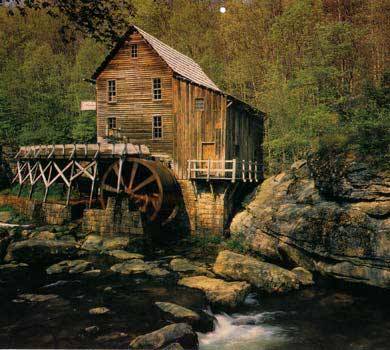
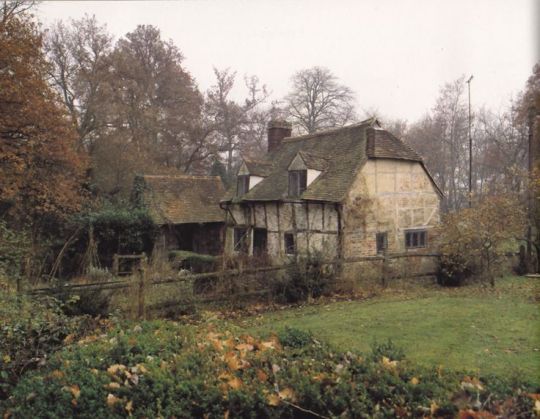
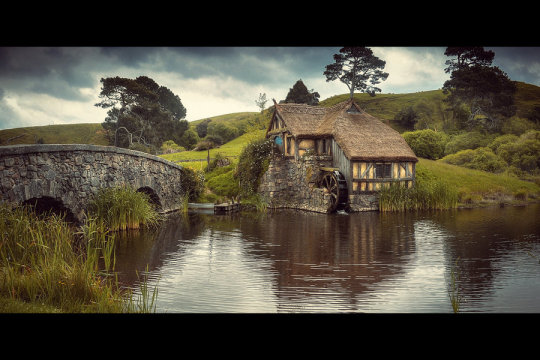
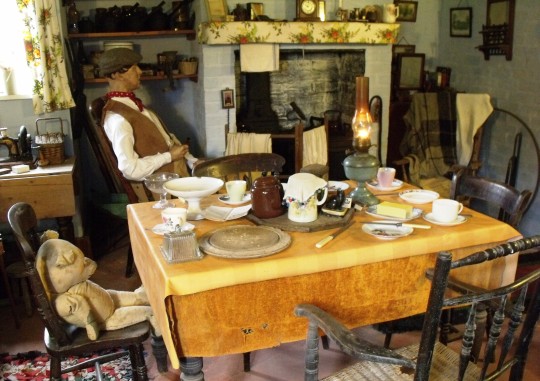
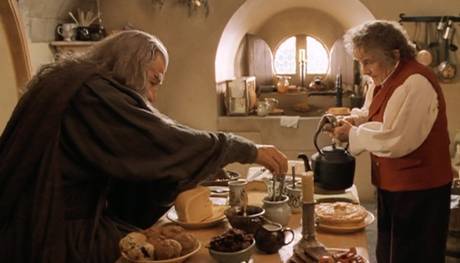
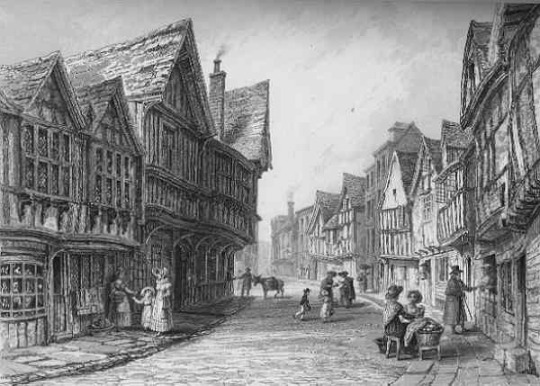
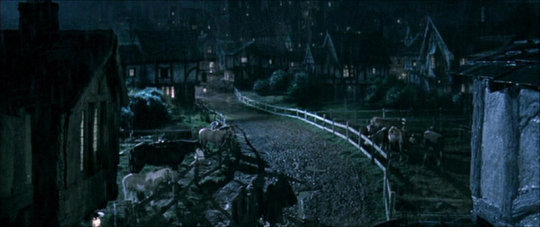
So (according to the concept art book) as the Fellowship travels deeper into Middle Earth, the places they pass through become inspired by progressively older periods of history. The farther along you are in the story, the more ancient the design influences
We begin in The Shire: which feels so familiar because, with its tea-kettles and cozy fireplaces, it’s inspired by the relatively recent era of rural England in the 1800s
But when we leave Hobbiton, we also leave that familiar 1800s-England aesthetic behind and start going farther back in time.
Bree is based on late 1600s English architecture
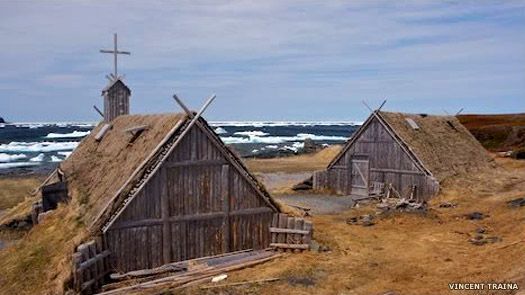
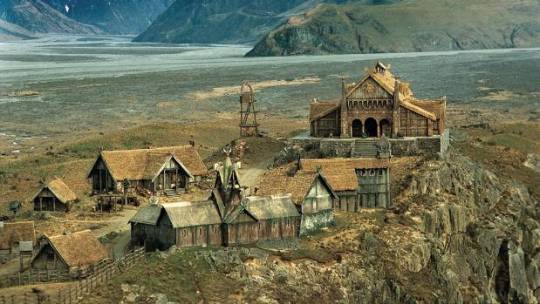
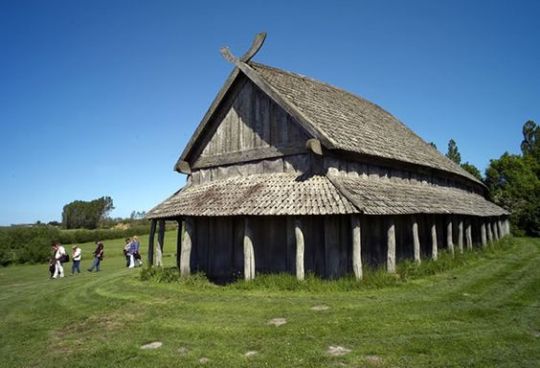
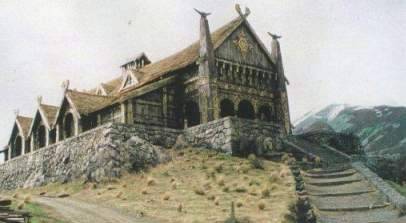
Rohan is even farther back, based on old anglo-saxon era architecture (400s-700s? ce)
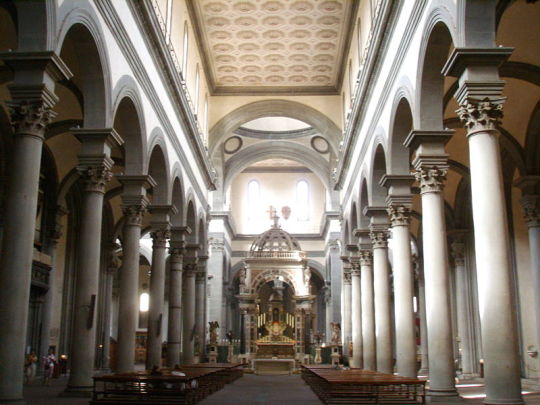
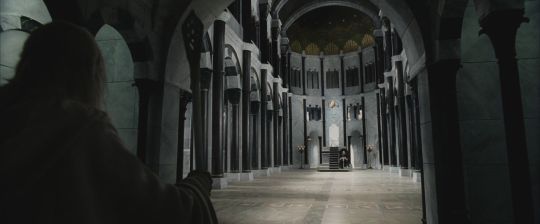
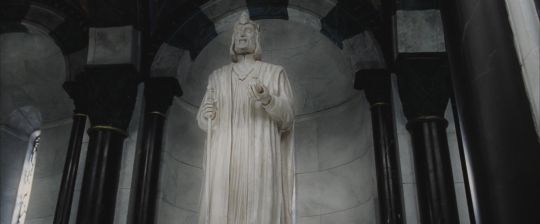
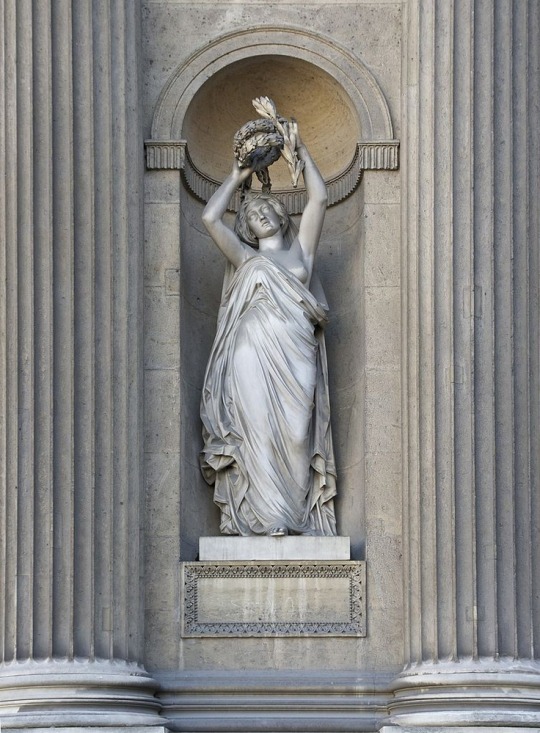
Gondor is way back, and no longer the familiar English or Anglo-Saxon: its design comes from classical Greek and Roman architecture
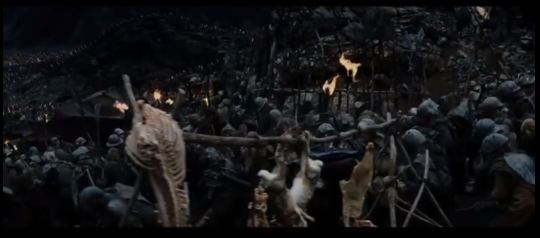
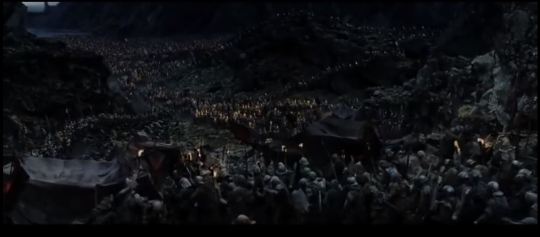
And far far FAR back is Mordor. It’s a land of tents and huts: prehistoric, primitive, primeval. Cavemen times
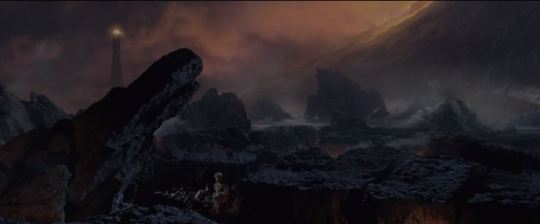
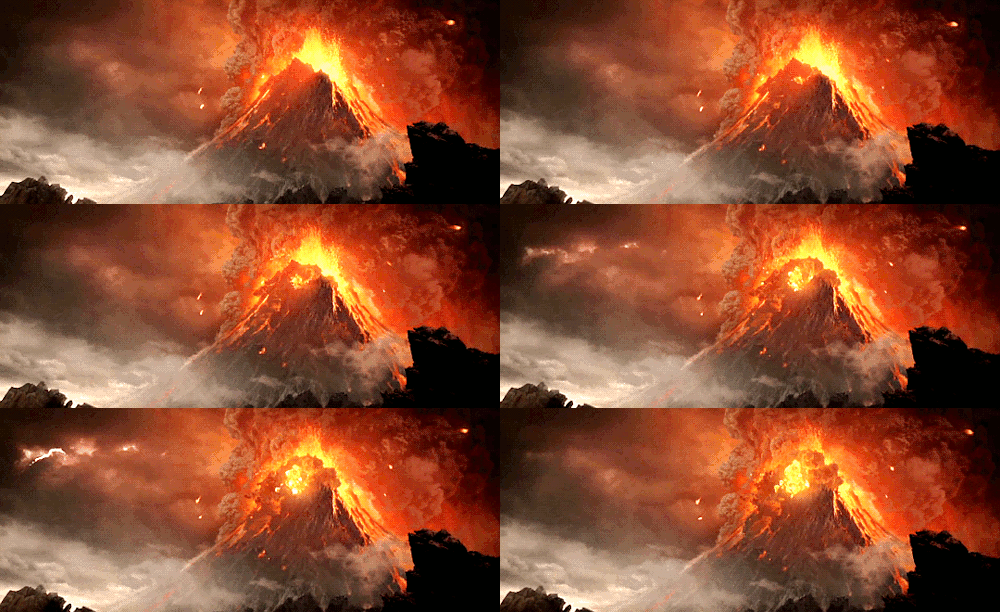
And the heart of Mordor is a barren lifeless hellscape of volcanic rock…like a relic from the ages when the world was still being formed, and life didn’t yet exist
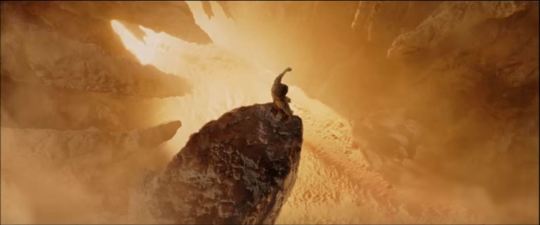
And then they finally reach Mount Doom, which one artist described as
“where the ring was made, which represents, in a sense, the moment of creation itself”
Tolkien was always very precise with the symbolism in his stories; he planned out everything from the seasons, to the levels of technology, to the terrain and geology encountered along the journey in LotR.
The visual timeline in the films mirrors both the in-universe chronology of Arda, as well as the “felt” chronology of the stories– with the hobbits representing the modern everyman journeying back through more “heroic” ages, encountering relics from a distantly-remembered past. I think Tolkien would have appreciated that the concept artists took such care with this effect (whatever his other quibbles may have been in terms of direction).
Tolkien drew this design, incorporating Elvish lettering, on the back of an agenda for a meeting at Merton College, Oxford in 1957. It will be on display at the Bodleian’s Tolkien exhibition this summer. (source)
For 2,000 years, the Chinese have been using the iridescent blue feathers of kingfisher birds as an inlay for fine art objects and adornment, from hairpins, headdresses, and fans to panels and screens.




 MisbehavingMaiar: Tumblr Archive