hrafnhrid:

Casting Runes

Fehu: domestic cattle, wealth | possessions won
or earned, earned income, luck / abundance, financial strength in the
present or near future / sign of hope and plenty, success and
happiness / social success / energy, foresight, fertility,
creation/destruction | reversed or merkstave: loss of
personal property, esteem, or something that you put in effort to
keep / indicates some sort of failure / greed, burnout, atrophy,
discord / cowardice, stupidity, dullness, poverty, slavery,
bondage

Uruz: auroch, a wild ox | physical strength and
speed, untamed potential / time of great energy and health / freedom,
energy, action, courage, strength, tenacity, understanding, wisdom / sudden or unexpected changes (usually for the better) / sexual desire,
masculine potency / the shaping of power and pattern, formulation of
the self | reversed or merkstave: weakness, obsession,
misdirected force, domination by others / sickness, inconsistency,
ignorance / lust, brutality, rashness, callousness,
violence

Thurisaz: thorn or a Giant | reactive force,
directed force of destruction and defense, conflict. Instinctual
will, vital eroticism, regenerative catalyst / tendency toward
change / catharsis, purging, cleansing fire / male sexuality,
fertilization | reversed or merkstave: danger, defenselessness, compulsion, betrayal,
dullness / evil, malice, hatred, torment, spite, lies / a bad man or
woman

Ansuz: the As, ancestral god, i.e. Odin | a revealing message or insight, communication / signals, inspiration,
enthusiasm, speech, true vision, power of words and naming / blessings, the taking of advice / good health, harmony, truth, wisdom | reversed or merkstave: misunderstanding, delusion, manipulation
by others, boredom / vanity and grandiloquence

Raidho: wagon or chariot | travel, both in
physical terms and those of lifestyle direction | a journey, vacation,
relocation, evolution, change of place or setting / seeing a larger
perspective / seeing the right move for you to make and deciding upon
it / personal rhythm, world rhythm, dance of life | reversed or merkstave: crisis, rigidity, stasis, injustice, irrationality / disruption, dislocation, demotion, delusion, possibly a
death

Kenaz: beacon or torch | vision, revelation,
knowledge, creativity, inspiration, technical ability / vital fire of
life, harnessed power, fire of transformation and regeneration / power
to create your own reality, the power of light / open to new strength,
energy, and power now / passion, sexual love | reversed or merkstave: disease, breakup, instability, lack of creativity / nakedness, exposure, loss of illusion and false hope

Gebo: gift | gifts, both in the sense of
sacrifice and of generosity, indicating balance / all matters in
relation to exchanges, including contracts, personal relationships
and partnerships |  merkstave: greed, loneliness, dependence, over-sacrifice / obligation, toll, privation, bribery

Wunjo: joy | joy,
comfort, pleasure / fellowship, harmony, prosperity / ecstasy, glory,
spiritual reward, but also the possibility of going “over the top” / if restrained, the meaning is general success and recognition of
worth | reversed or merkstave: stultification, sorrow, strife,
alienation / delirium, intoxication, possession by higher forces,
impractical enthusiasm / raging frenzy, berzerker

Hagalaz: hail | wrath of nature, destructive,
uncontrolled forces, especially the weather, or within the
unconscious / tempering, testing, trial / controlled crisis, leading to
completion, inner harmony | merkstave: natural disaster, catastrophe / stagnation, loss of power / pain, loss, suffering, hardship, sickness,
crisis

Nauthiz: need | delays, restriction / resistance
leading to strength, innovation, need-fire (self-reliance) / distress,
confusion, conflict, and the power of will to overcome them / endurance, survival, determination /  time to exercise patience / recognition of one’s fate / major self-initiated change / face your
fears | reversed or merkstave: constraint of freedom,
distress, toil, drudgery, laxity / necessity, extremity, want,
deprivation, starvation, need, poverty, emotional hunger

Isa: ice | a challenge or frustration / psychological blocks to thought or activity, including grievances / standstill, or a time to turn inward and wait for what is to come, or
to seek clarity / reinforces runes around it | merkstave: ego-mania,
dullness, blindness, dissipation / treachery, illusion, deceit,
betrayal, guile, stealth, ambush, plots

Jera:
a year, a good harvest / the results
of earlier efforts are realized /  time of peace and happiness,
fruitful season / can break through stagnancy / hopes and
expectations of peace and prosperity / the promise of success earned / life cycle, cyclical pattern of the universe / everything changes, in
its own time | merkstave: sudden setback, reversals / a major change, repetition,
bad timing, poverty, conflict

Eihwaz: yew tree | strength, reliability,
dependability, trustworthiness / enlightenment, endurance / defense,
protection / the driving force to acquire, providing motivation and a
sense of purpose / indicates that you have set your sights on a
reasonable target and can achieve your goals / an honest man who can
be relied upon | reversed or merkstave: confusion, destruction,
dissatisfaction, weakness

Perthro: lot cup, vagina | uncertain meaning, a
secret matter, a mystery, hidden things and occult abilities.
Initiation, knowledge of one’s destiny, knowledge of future matters,
determining the future or your path / pertaining to things feminine,
feminine mysteries including female fertility etc. / good lot,
fellowship and joy / evolutionary change | reversed or merkstave: addiction, stagnation, loneliness, malaise

Algiz: elk, protection | protection, a
shield / the protective urge to shelter oneself or others / defense,
warding off of evil, shield, guardian / connection with the gods,
awakening, higher life. It can be used to channel energies
appropriately / follow your instincts / keep hold of success or
maintain a position won or earned | reversed: or merkstave: hidden danger, consumption by divine forces, loss of divine link / taboo, warning, turning away, that which repels

Sowilo: the sun | success, goals achieved, honor / the life-force, health / a time when power will be available to you
for positive changes in your life, victory, health, and success / contact between the higher self and the unconscious / holeness,
power, elemental force, sword of flame, cleansing fire | merkstave: false goals, bad counsel, false success, gullibility, loss of goals / destruction, retribution, justice, casting down of vanity / wrath of
god

Tiwaz:
Tyr, the sky god | honour, justice,
leadership and authority / analysis, rationality / knowing where one’s
true strengths lie / willingness to self-sacrifice / victory and
success in any competition or in legal matters | reversed or merkstave: one’s energy and creative flow are blocked/ mental
paralysis, over-analysis, over-sacrifice, injustice, imbalance / strife, war, conflict, failure in competition / dwindling passion,
difficulties in communication, and possibly separation

Berkano: Berchta, the birch-goddess | birth,
general fertility, both mental and physical and personal growth,
liberation / regenerative power and light of spring, renewal, promise
of new beginnings, new growth / arousal of desire / a love affair or
new birth / the prospering of an enterprise or venture | reversed or merkstave: family problems and or domestic troubles / anxiety about someone close to you / carelessness, abandon, loss of
control / blurring of consciousness, deceit, sterility,
stagnation

Ehwaz: horse, two horses | transportation / may
represent a horse, car, plane, boat or other vehicle / movement and
change for the better / gradual development and steady progress are
indicated / harmony, teamwork, trust, loyalty / an ideal marriage or
partnership / confirmation beyond doubt the meanings of the runes
around it | reversed or merkstave: not really a negative
rune / a change is perhaps craved / feeling restless or confined in a
situation / reckless haste, disharmony, mistrust, betrayal

Mannaz: man, mankind | the Self; the individual
or the human race / your attitude toward others and their attitudes
towards you / friends and enemies, social order. Intelligence,
forethought, create, skill, ability / divine structure, intelligence,
awareness / expect to receive some sort of aid or cooperation now | reversed or merkstave: depression, mortality, blindness,
self-delusion / cunning, slyness, manipulation, craftiness,
calculation / expect no help now

Laguz: water, or a leek | flow, water, sea, a
fertility source, the healing power of renewal / life energy and
organic growth / imagination and psychic matters / dreams, fantasies,
mysteries, the unknown, the hidden, the deep, the underworld / success
in travel or acquisition, but with the possibility of loss | reversed or merkstave: an indication of a period of confusion in your
life / you may be making wrong decisions and poor judgements / lack of
creativity and feelings of being in a rut / fear, circular motion,
avoidance, withering / madness, obsession, despair, perversity,
sickness, suicide

Ingwaz: Ing, the earth god | male fertility,
gestation, internal growth / common virtues, common sense, simple
strengths, family love, caring, human warmth, the home / rest stage, a
time of relief, of no anxiety / a time when all loose strings are tied
and you are free to move in a new direction / listen to yourself | merkstave: impotence, movement without change / poduction, toil,
labour, work

Dagaz: day or dawn. | breakthrough, awakening,
awareness / daylight clarity as opposed to nighttime uncertainty /
time to plan or embark upon an enterprise / the power of change
directed by your own will, transformation / hope and happiness, the ideal / security and certainty / growth and release / balance point, the place
where opposites meet | merkstave: a completion, ending, limit, coming full
circle / blindness, hopelessness

Othala: ancestral property | inherited property
or possessions, a house, a home / what is truly important to one / group order, group prosperity / lLand of birth, spiritual heritage,
experience and fundamental values / aid in spiritual and physical
journeys / source of safety, increase and abundance | reversed
or merkstave
: lack of customary order, totalitarianism, slavery,
poverty, homelessness / bad karma, prejudice, clannishness,
provincialism / what a man is bound to
we-are-knight:

petermorwood:

we-are-knight:

pyrogothnerd:

just-shower-thoughts:

A Knight in shining armor is a man whose metal has never been tested.

Or one who regularly cleans it…but yeah, “Black Knights” were called so because their armor was in terrible condition, and they were usually much more experienced, so they usually won tournaments.

@we-are-knight Am I correct? Anything to add?

I’m curious mainly where you got this concept from…

“Black Knights” need to be distinguished by context. I’m on my phone right now so I can’t link you all the sources I’d like to use, so please pardon me for that.

So, the concept of “knight in shining armour” comes from the idea of the knight-errant in medieval fiction, the sort of person who is on a quest, is all shiny and new, ready to test themselves. It also is a nod to the maintenance of equipment, or the wealth of a Knight; in the late medieval and Renaissance periods, well-off knights might have a suit of armour for warfare, a suit for tournaments, and a suit for formal occasions. These being used for different things, they were meant to be maintained well and show status and wealth.

So, where does the concept of a black Knight actually come from?

Surprisingly, most cases come from the idea of the tournament. Knights were meant to display who they were, “show their colours” (ie, heraldry), and show off their skills in combat. But if course you had some knights who didn’t want to show who they were, who they were fighting for, or which lady they favoured, etc. This sounds like a chivalric fantasy, and honestly, that’s what tournaments really became as time went by and the events became more formal.

Now, early “black Knights” , were those who did not wear dark or black armour, but in fact those who did not use their own heraldry, disguising themselves. Again, they may do this for various reasons, but the concept is they hide their identity. Occasionally, they might actually paint their shields black.

We also have the examples from the hundred years war where French and English knights painted their armour different colours: black for the French, Red for the English.

Some knights actually WOULD favour black armour or heraldry to the point they got called “black Knights”, and not as a derogative. The Polish Knight, Zawisza Czarny (pronounced “Zah-vu-shah Shar-ny”, approximately) become known for his feats of arms, and by his dark armour.

Linking back to the original quote, a Knight in shining armour could well be a black knight, as such. But more commonly, it meant he was either wealthy, or highly skilled at arms.

Or both. 😛

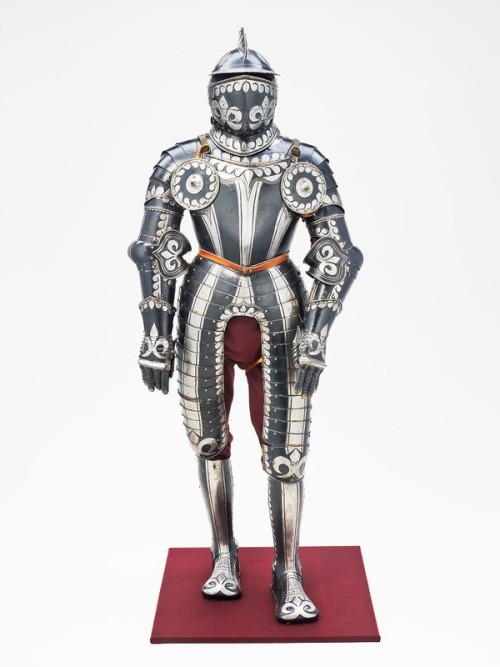
I’ve seen enough period art to convince me that “shining armour” was often a lot darker than the chrome-plated image which the term suggests.

I’ve also long thought that the whole business of “knights in shining armour” wasn’t a medieval concept at all, certainly not the default one, but was a Regency / early Victorian fictional conceit from Romance poets and Sir Walter Scott’s historical fiction. (About 10 years ago an actual expert said more or less the same thing, leaving actual amateur me feeling rather smug…) :->

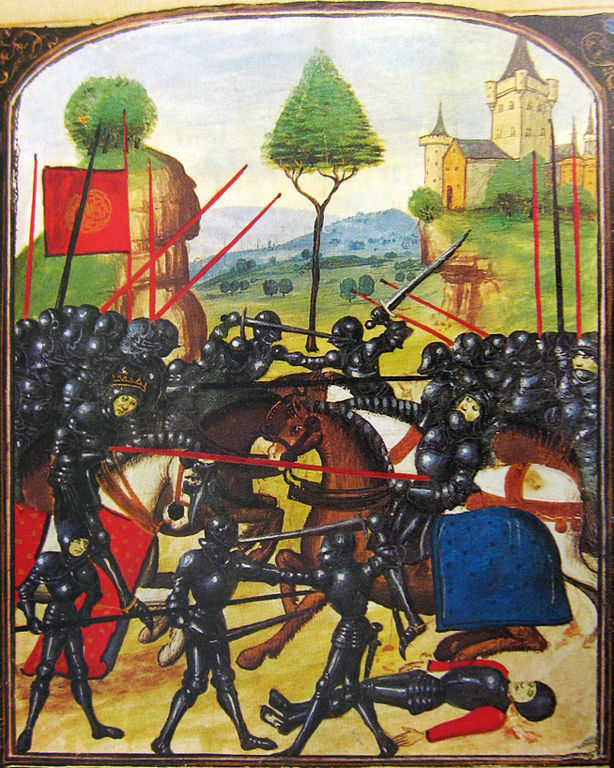
This illumination features armour that’s black or dark blue in colour, but with
the carefully-delineated highlights

of a shiny surface. There are many other like it.

image

Armour was coloured for both decorative and practical purposes; chemical blueing with acid produces a very dark, lustrous and effectively rust-resistant finish like the one in the medieval illustration. I once had an Arms & Armor rapier with that finish on the hilt: it looked like this…

Heat-blueing, which was more blue than black, was a popular treatment for Greenwich armour of the Elizabethan period, as was browning and russetting (all of which were and are used on firearms), processes which used heat, chemicals or controlled “good rust” to create colour and also prevent uncontrolled “bad rust”.

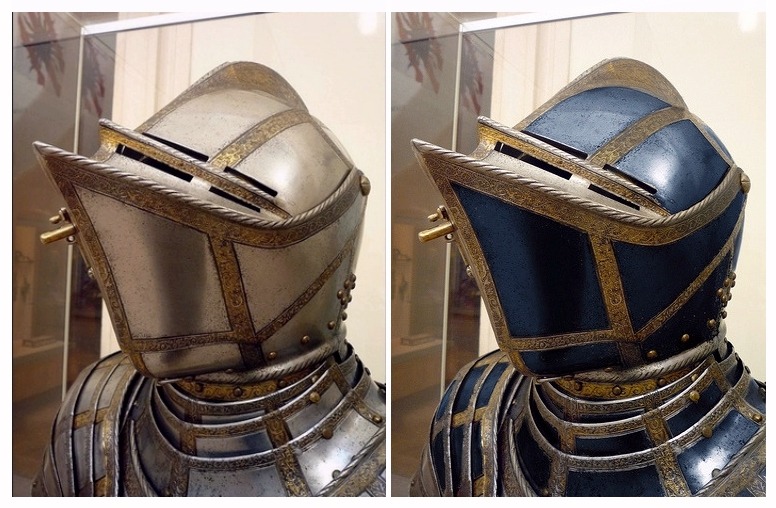
Here’s the helmet of Sir James Scudamore’s Greenwich harness, which was once blued and gilt.

image

The image on the left is how it looks now, after being thoroughly scrubbed with wire wool, sand or other abrasives at some stage in the 19th century to make  it “shining armour”. The image on the right is a CGI restoration of its original appearance, based on still-visible traces of colour in the grooves beside the gold strapwork.

Here’s the browned and gilt “garniture” (armour with extra bits for different styles of combat, like a life-size action figure) of George Clifford, Earl of Cumberland. I don’t think grinding this beauty down to bright metal would be an improvement…

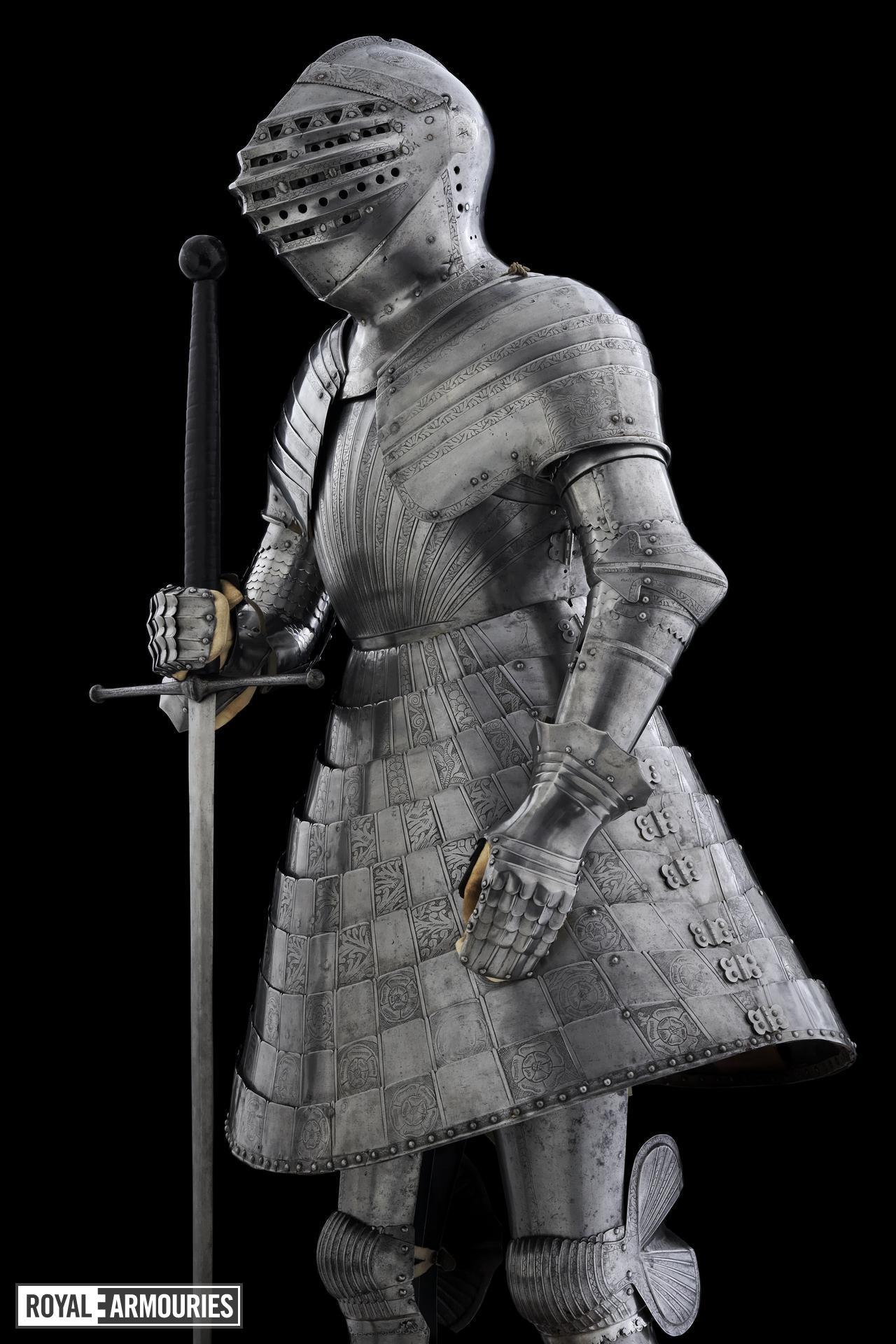
Henry VIII’s tonlet (skirted) armour for foot combat at the Field of the Cloth of Gold now looks like this:

image

Originally it would have been shiny black or dark blue with gilt details and the engraved panels picked out in coloured paint or enamelling – red Tudor Roses, green leaves etc., but that wasn’t “shining armour”, so…

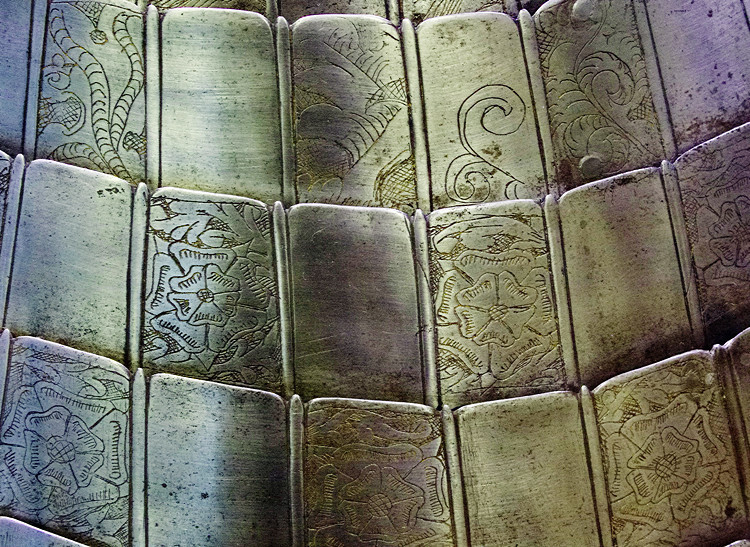
This detail shot shows the fine score-marks left after it was sanded “clean”, with dark pigmentation in the grooves as a memorial of how it once looked.

image

This Renaissance painting, “Portrait of Warrior with Squire”, shows black armour on the warrior and bare-metal armour on his squire, so it’s clear that armour in art wasn’t painted black simply because artists couldn’t properly represent burnished steel.

In this article, Thom Richardson, Keeper of Armour at the Tower of London and Royal Armouries in Leeds (the actual expert I mentioned at the beginning) comes straight out and calls Scott responsible for “shining armour” vandalism:

The sets of armour are not in their original black and gold because of
over-aggressive polishing in the 19th century when, said Richardson,
“they were polished with brick dust and rangoon oil to within an inch of
their life” to fit the aesthetic of what armour should look like, all
shiny and silvery. “Walter Scott is to blame,” Richardson added
ruefully.

Scott can also be blamed, according to the Oxford English
Dictionary, for creating or at least popularising that clunky, inaccurate term
“chain-mail”. It cites the first appearance in 1822 (recent when talking about mail) when a
character
in “The Fortunes of Nigel

says:

“…the
deil a thing’s broken but my head. It’s not made of iron, I wot, nor my
claithes of
chenzie-mail; so a club smashed the tane, and a claucht damaged the tither.”

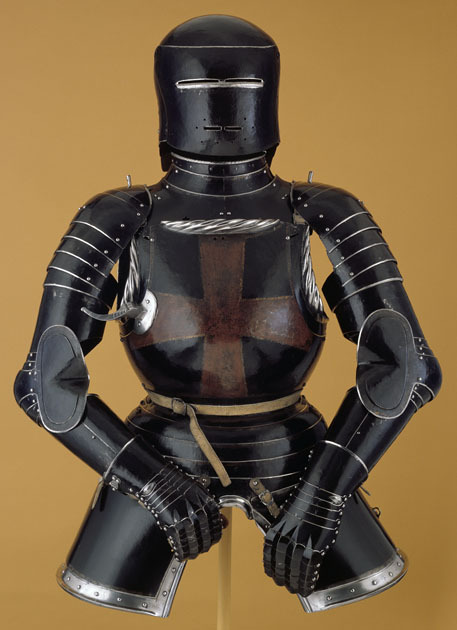
Plate armour was also painted, either crudely…

image

…or with much more care (this style is actually called black-and-white armour); since the paint was oil-based, it also had a rust-proofing effect…

image

I have a notion that the more white there was on black-and-white armour, and thus the more work (by servants, of course!) needed to keep it looking good, may have been an indication of rank, status or success. Just a guess…

Armour left rough from the hammer – therefore cheaper than armour polished smooth, since every stage of the process had to be paid for – was also treated with hot oil in the same way cast-iron cookware is seasoned, again to prevent rust.

There were terms for bright-metal armour – “alwyte harness” and “white
armour” – but the existence of such terms suggests to me that they arose
from a need to describe an armour finish which needed a tiresome amount of maintenance to keep it that way. I’m betting that the last stage of a clean-and-polish was a good layer of grease, or even a beeswax sealant like the coatings used by museums today.

White armour may have been a demonstration of wealth or conspicuous consumption in the same way as black or white clothes: one needed servants constantly busy with polishing-cloths, the others needed really good colour-fast dye or lots of laundering, and all of those cost money.

One thing is certain: a knight in shining armour wasn’t the one who sweated to keep it shining. That’s what squires were for…

I am a simple man: when Peter speaks, I listen.

elodieunderglass:

staxilicious:

systlin:

theleeallure:

hypno-sandwich:

danipup:

striderofthenorth-dom:

danipup:

striderofthenorth-dom:

striderofthenorth-dom:

mrmattegrey:

danipup:

striderofthenorth-dom:

synonymforhappiness:

striderofthenorth-dom:

sighinastorm:

chiribomb:

striderofthenorth-dom:

I’ve been working on a wooden longbow most of the afternoon.  Here are ten easy steps for making your own 🙂

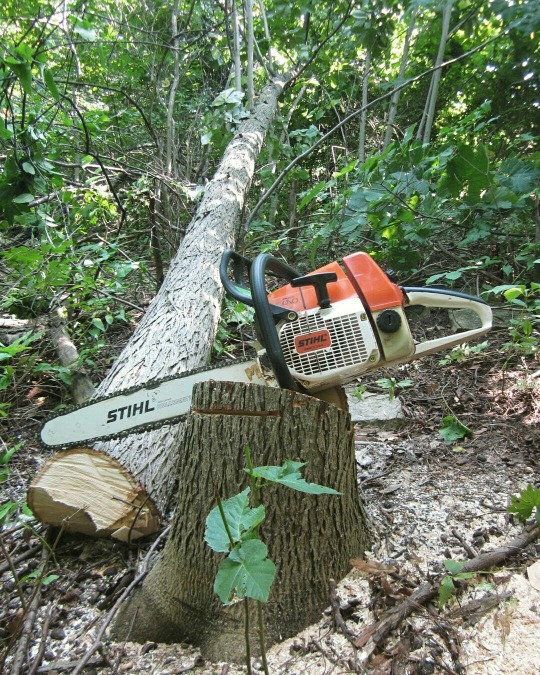
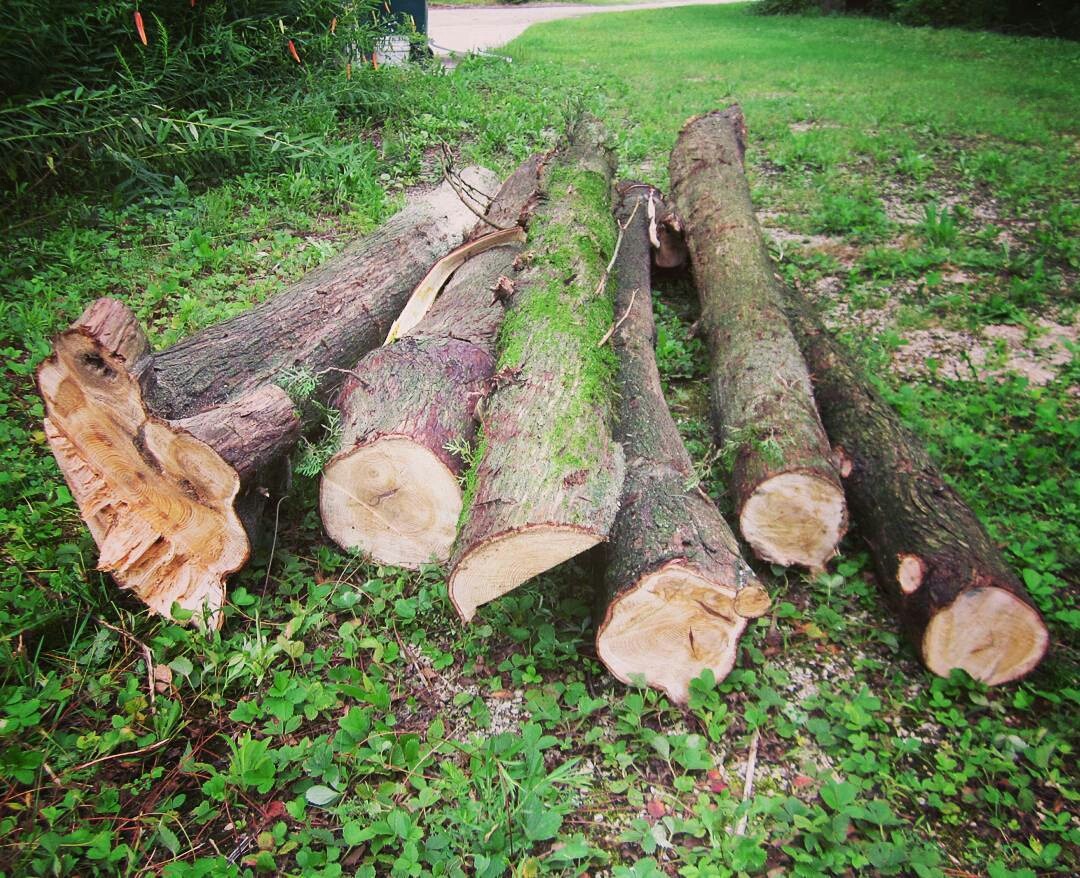
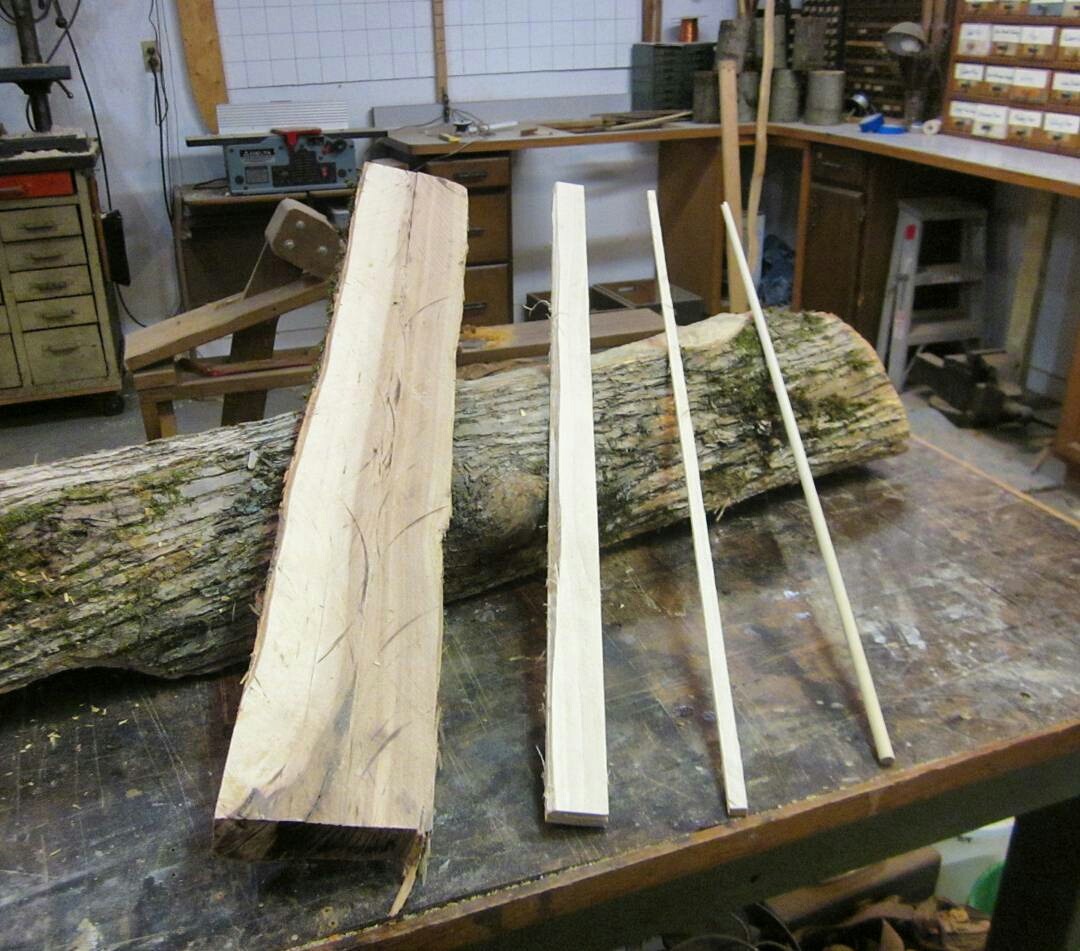
1. Cut down a tree

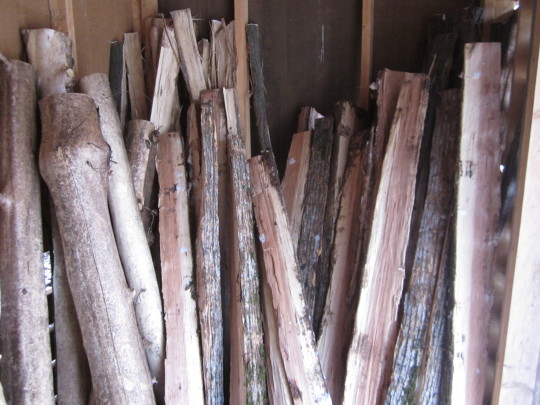
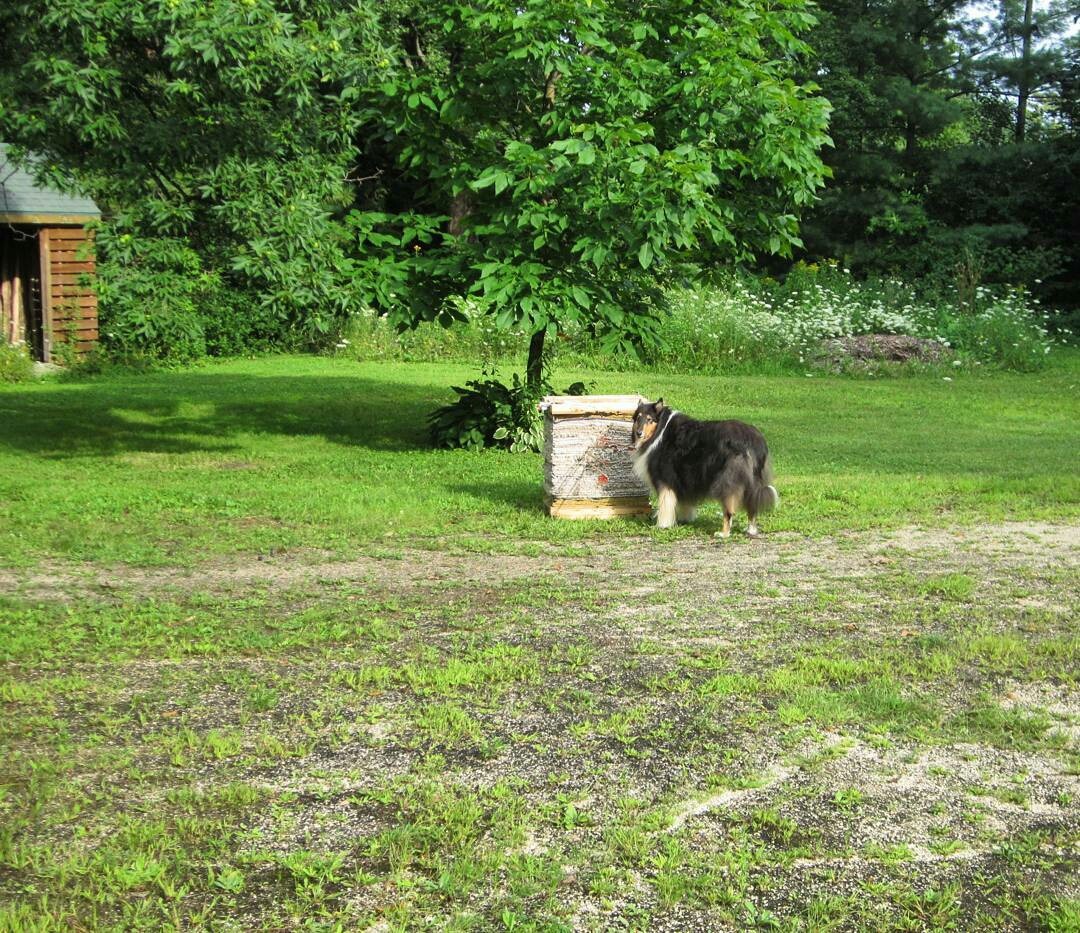
2.Split that tree into lengthwise sections called staves. The dog will help

3. Build a woodshed

4. Let those staves dry for a few years in the shed

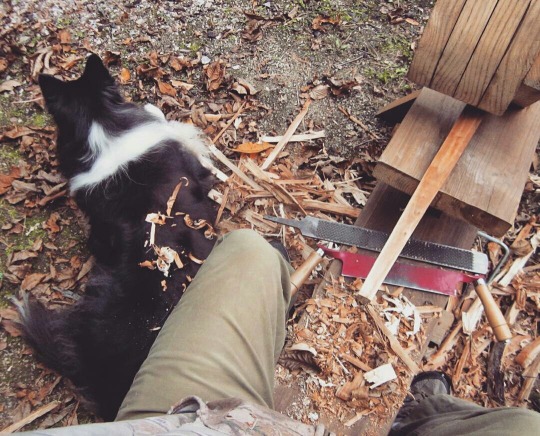
5. Remove all the shit that isn’t a bow. The dog will help again by lying on your foot

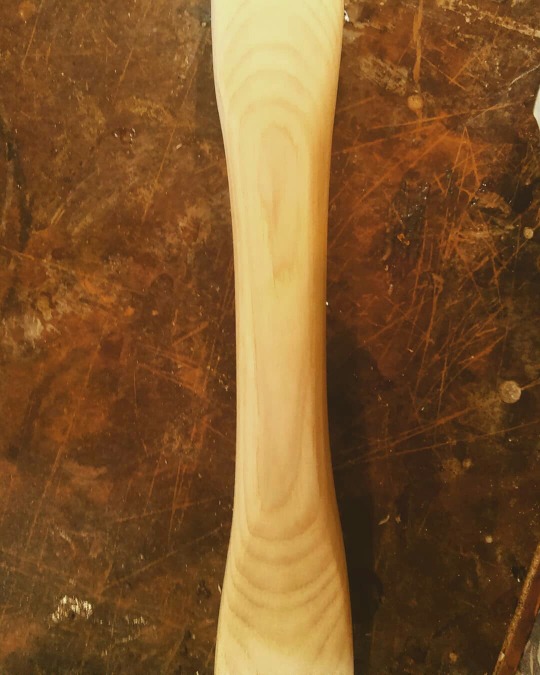
6. Make sure the handle stays centered in the growth rings

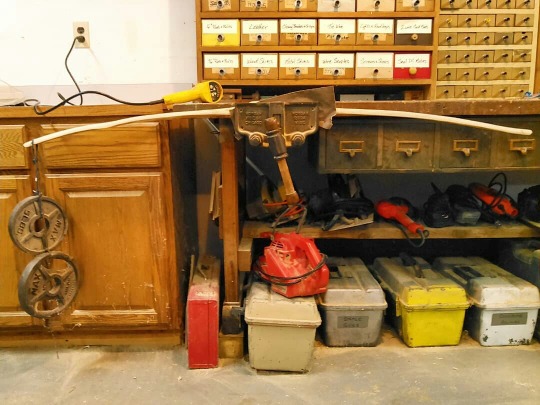
7. Steam bend and weight the wood so that both limbs start with the same bend

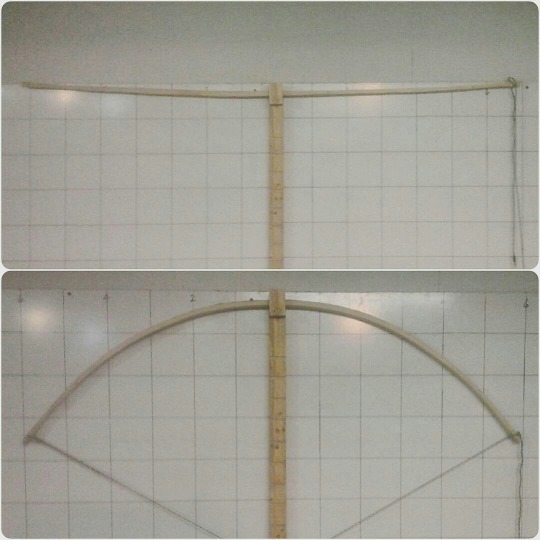
8. Slowly remove wood from the belly of the bow on both sides until they bend evenly

9. Add tip overlays, handle wraps, and all the fancy crap

10. Go out in the yard and practice till hunting season starts

I may need to drive to town for some human contact.

😮

Any particular wood?  What was it here?  I always meant to try making a bow out of my parents’ overgrown yew shrubbery, but that didn’t work out.

Pictured in the compilation above are shagbark hickory, hop-hornbeam, and common buckthorn. While English yew is rightfully considered one of the best bow woods, almost any straight grained hardwood can make a very nice bow. You can even use maple boards from the hardware store to start.

“Shagbark Hickory,” “Hop-Hornbeam,” and “Common Buckthorn,” all sound like the names middle earth kids give their high school garage bands.

😂😂😂… and now my brain just created Ent Metal as a genre. It’s pretty damn Larghissimo, but very strong.

what a fuckin’ nerd.

Okay now I want to figure out what ent metal would sound like.

I’m thinking thunder and whale song. Somehow.

The amount of notes this has gotten is absurd. That doesn’t happen to my posts, but since you crazy kids seem interested here’s (one of a gajillion ways) to make the accompanying primitive arrows.

We want lighter wood than we used to make the bows. This is white cedar- nice and light and sproingy.

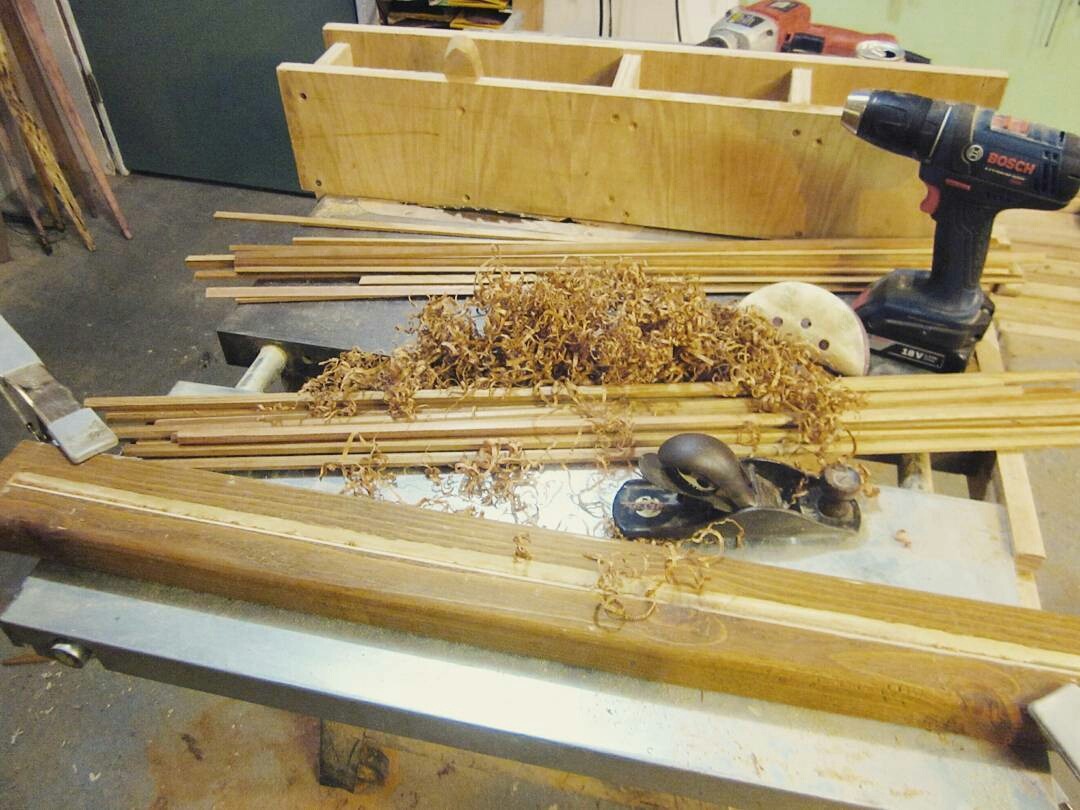
Mill that up into rectangular pieces as long as your arrows need to be.

Then you use this homemade tool called a shooting board to rest them in while you hand plane them from rectangular to round.

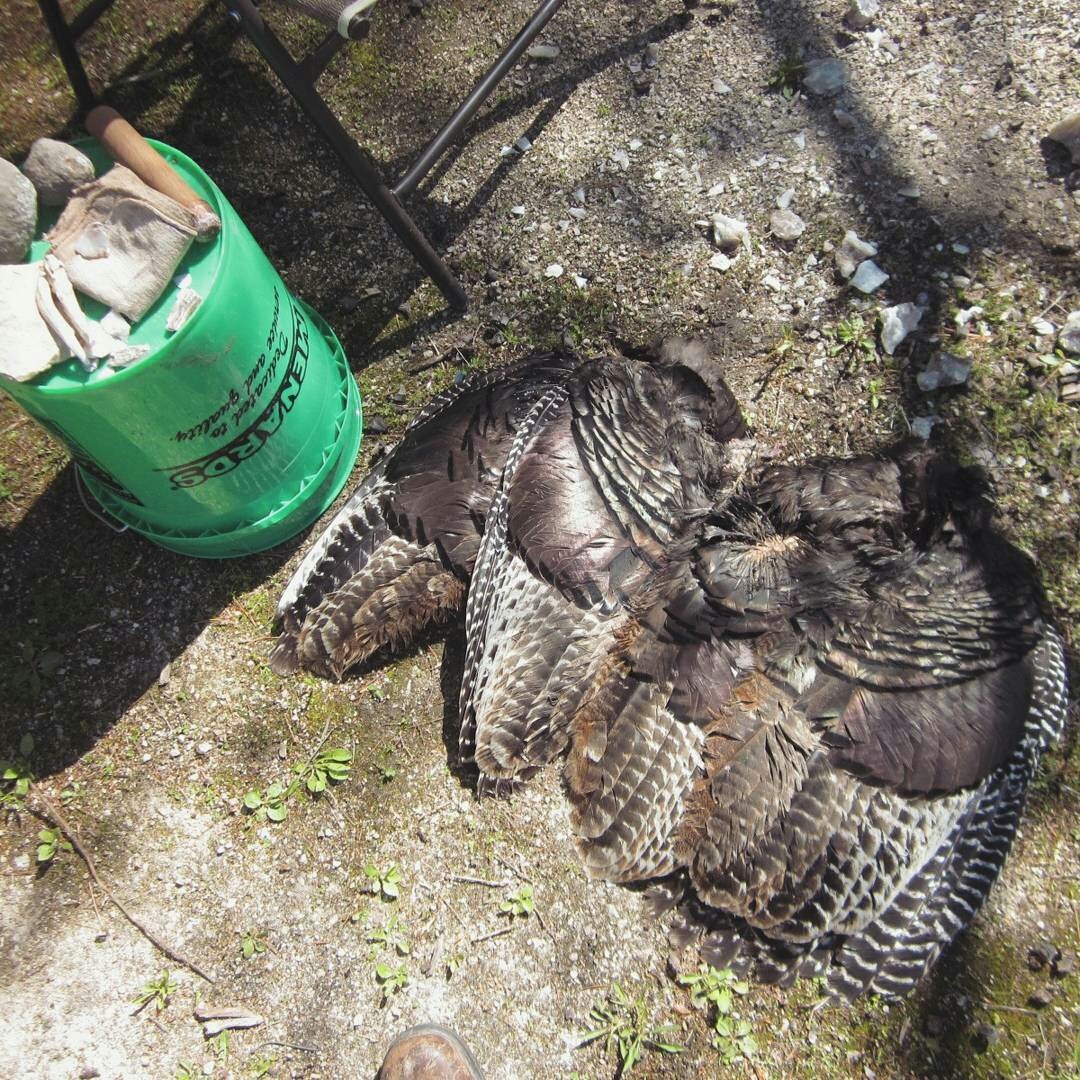
You saved your wings from the spring turkey hunt, right? Good, we’re gonna need those primary feathers.

Make yourself a pattern out brass or copper sheet, clamp the feather to it, and burn it with a torch. This will shape the feathers into fletchings.

Now we need to make pine pitch glue by melting together pine pitch (you can pick it off pine trees where they’ve been injured) and hardwood charcoal. Think of it as ancient people’s super glue.

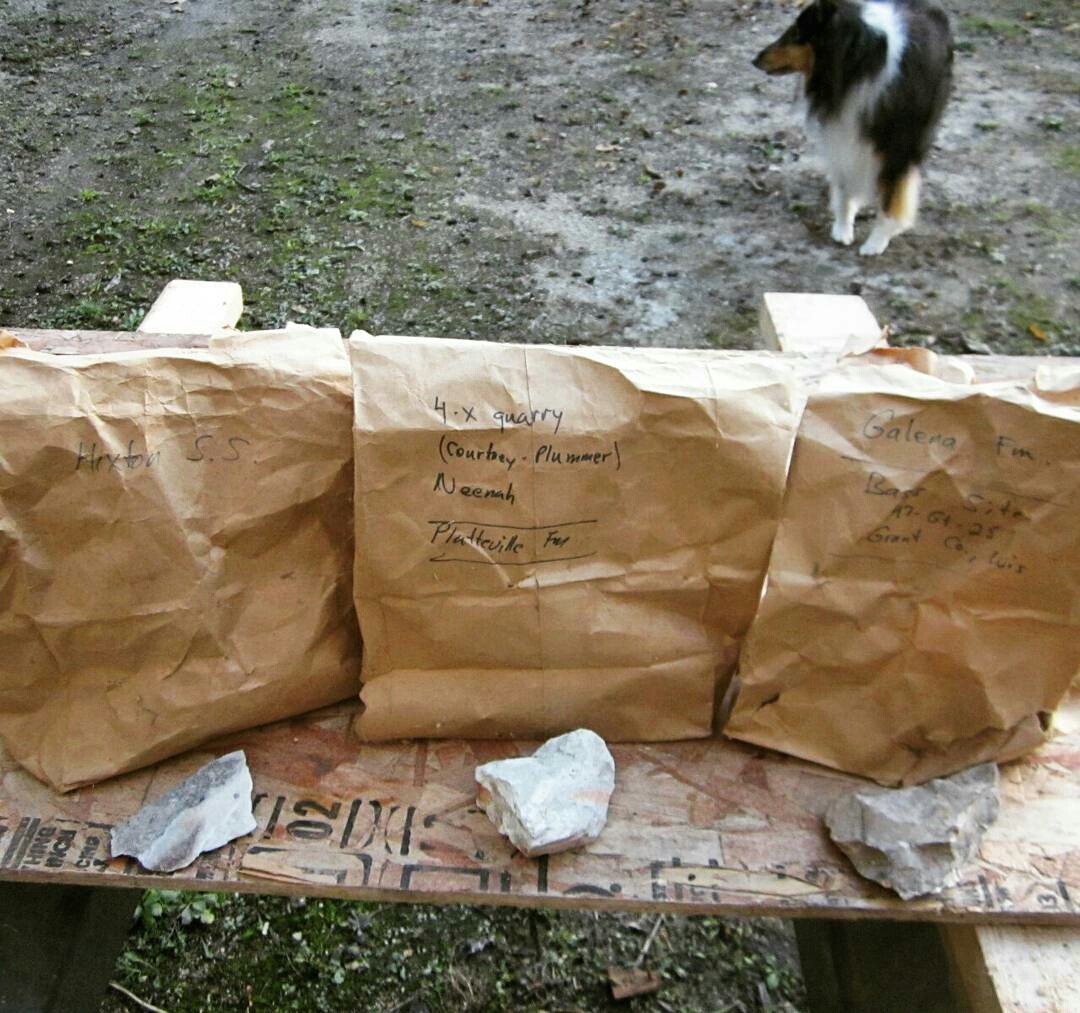
Get your paleontologist buddy to give you some rock from actual Paleolithic quarry sites ‘cuz that’s pretty rad.

Learn flint knapping… he said casually after years of hair-pulling-out struggles with it.

Attach your stone points to your arrow shafts using the ancient super glue stuff and leg sinew from the deer you got last year. Do the same for the fletchings.

And you’re finally ready to start practicing! Don’t worry, the dog will help again by standing directly in front of the target because she’s beautiful and loving, but not very good at critical thinking sometimes.

mansies, this post keeps getting more awesome. 🙂

also, proposal: should Caradhras have a different name in summertime? i’m feelin’ a more Bag End or Hobbiton vibe when the place isn’t covered in show.

You can’t go changing place names seasonally, @danipup What would the maps look like? Every place has 4 names?😂😂

I’m living in 3018 map ideas, @striderofthenorth-dom . get with the program, Bow Boy. 💡

From up the thread- I’m glad all these Old Romantics are into Ent Music.

@systlin this seems like it would be right up your.. archery lane?

Holy shit

You can also do a bath and bend version where you use straight pieces of wood instead of carving them, soak the wood in salted water, set to dry using clamps to shape it; repeat the bath soak then clamp set (moving the clamps for each new set) until your bow is in the preferred shape.

(This is how my uncle taught me to make long bows in his workshop at Howitzer when I was a child. They made a lot of fiberglass bows, which I was too young to be around the manufacturing of, and mostly made compound bows (the ones with pulleys that give more tension to the pull). My uncle designed the Warthog bow for himself and other short people who like to now hunt. OP has a couple of clever life hacks to my uncle’s method (using lifting weights is a genius idea), and an excellent bow making method. I am only sharing a different technique for those who may find soaking easier than steaming (or those who find themselves needing to make a bow in the wild since you could bind the wood around a tree instead of clamping it to shape).

this is such a nice post

I very much enjoy everything happening here

Movie night! “Conlanging: The Art of Crafting Tongues”

dedalvs:

For those in the Carmel, CA area, I’ll be doing a Q&A with the creators of the Conlanging documentary after a screening of the film at The Lab. (That sentence was arranged a little bizarrely. My sincere apologies. I will not edit it.) If you’re in the area, I’d love to see you there!

Movie night! “Conlanging: The Art of Crafting Tongues”

eschergirls:

halfarsedhermit:

Spent the last two days working on this little archery guide in art and writing. Considering the rise in popularity of archers in pop culture this hopefully  comes in handy for a bunch of fandoms.

Since odd or hilariously awkward archer poses show up a lot on this blog, I thought this might be a useful tutorial/reference post to pass on! :3

Design a site like this with WordPress.com
Get started